Diagnosis & Treatment of Leptospirosis in Dogs
Glynn Woods, BVMS, MS, SFHEA, MRCVS, DECVIM (SAIM), University of California, Davis, University of Edinburgh
Jane E. Sykes, BVSc(Hons), PhD, MPH, MBA, FNAP, DACVIM (SAIM), University of California-Davis
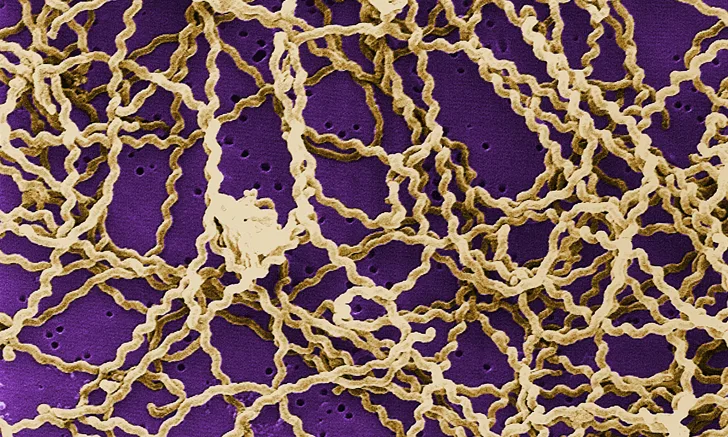
In 2023, the ACVIM published an updated consensus statement on leptospirosis in dogs that was followed by a 2024 update of the AAHA guidelines for the canine leptospirosis vaccine.1,2 This article summarizes the updated recommendations for prevention, diagnosis, and treatment of leptospirosis in dogs. Additional details on the open access consensus statement can be found in Suggested Reading.
Ask the Expert: What are the most recent recommendations for prevention, diagnosis, and treatment of leptospirosis in dogs since publication of the 2023 ACVIM consensus statement?
Dogs develop leptospirosis when pathogenic strains of the spirochete Leptospira spp penetrate intact mucous membranes or abraded skin. Environmental contamination occurs when chronically infected reservoir hosts shed organisms in their urine. Mammalian, reptile, and amphibian hosts can act as reservoir hosts. Seroprevalence in wildlife species is as high as 60% in some regions of the United States3; however, globally, the most important reservoir host species are rodents (especially brown and black rats, Rattus norvegicus and Rattus rattus, respectively), which can shed millions of organisms per mL of urine.4-7
Although high rainfall and flooding contribute to leptospirosis seroprevalence in temperate and tropical regions, respectively, leptospirosis can also occur in arid and semiarid regions.8,9 Dogs that live in regions in which humidity and precipitation levels are low (ie, conditions that do not support replication of the organism in the environment) can still be infected via predation or direct contact with infected urine in the environment (eg, overcrowded boarding situations, rodent-infested households). Accordingly, limited serologic studies of dogs in the United States suggest widespread (at least 10%) subclinical infection, even in arid regions.10,11
In incidental hosts such as dogs, acute kidney injury (AKI) represents the predominant clinical manifestation; however, the disease is multisystemic, frequently involving the lungs (notably leptospiral pulmonary hemorrhage syndrome), liver, GI tract, and pancreas. Consequently, leptospirosis can be life-threatening and may require hemodialysis and mechanical ventilation. These treatments are not always affordable or accessible options for pet owners, emphasizing the need for prevention.
Prevention
Leptospirosis has been increasingly recognized in unvaccinated dogs due to earlier publications suggesting puppies, senior dogs, small breeds, dogs in boarding facilities, and dogs living in urban environments were at low risk for infection. Updated vaccination guidelines recommend annual wellness examinations and leptospirosis vaccination with a 4-serovar vaccine in all dogs regardless of breed, signalment, age, or lifestyle.1 Field and laboratory studies indicate current 4-serovar vaccines are safe and effective, have adverse reaction rates similar to or less than distemper-hepatitis-parvovirus vaccines, and have a duration of immunity of at least 15 months.12-14 Leptospirosis can occur in dogs that have received 4-serovar vaccines but is rare.15
Because Leptospira spp is a bacterin, maternal antibody interference is not relevant for leptospirosis; maternal antibodies only interfere with the immune response if immunity depends on replication of the vaccine strain. Vaccinations should be administered as early as the label permits, with a booster given within 2 to 4 weeks. The initial vaccine series should be restarted in puppies >6 weeks overdue for a booster. A single vaccination should boost immunity in dogs >15 months overdue for an annual booster, but some manufacturers might not provide a guarantee unless these dogs receive an additional vaccine 4 weeks later.
Leptospirosis outbreaks in boarding facilities and shelters, as well as evidence of subclinical shedding in shelter dogs, has resulted in vaccination recommendations for dogs entering these environments.3,16 Because immunity develops 1 week after the 4-week booster in previously unvaccinated dogs, shelters and boarding kennels should require these dogs be vaccinated at least 5 weeks before entering these facilities.
Other recommendations for prevention include avoiding overcrowding in shelters and boarding kennels, implementing proper drainage infrastructure, providing rodent control, and discouraging predation.
Diagnosis
Leptospirosis should be suspected in patients with consistent signs of disease that have not been fully vaccinated with a 4-serovar vaccine. A case definition has been developed to assist in recognition of leptospirosis (see Diagnostic Criteria for Leptospirosis).1 Early in the course of illness, dogs are often seronegative, and organisms are initially found in the blood, after which urinary shedding commences. Diagnosis can thus be optimized by combining acute and convalescent phase serologic testing using a microscopic agglutination test (MAT) with PCR testing on urine and blood. Early administration of antimicrobials can also decrease sensitivity of PCR and inhibit the rise of MAT titers.17-19 Convalescent testing should be performed 1 to 2 weeks after the initial titer. Because of previous subclinical infection or vaccination, diagnosis based on a single positive titer of any magnitude is not recommended.1 The magnitude of the MAT titer to a specific serovar reported by the laboratory should not be used to predict the infecting serovar. There is significant cross reactivity among serovars, and a limited number of serovars are used to detect antibody response; addition of serovars can reveal even higher titers to other serovars.
Diagnostic Criteria for Leptospirosis
Clinical criteria
Onset of systemic illness in the previous 4 weeks, with or without the following signs.
GI signs
Pulmonary signs
Ocular signs
Oliguria/anuria
Icterus
Hemorrhage
Two or more of the following
Neutrophilic leukocytosis ± left shift
Thrombocytopenia
Serum chemistry evidence of AKI
Serum chemistry evidence of cholestatic hepatopathy
Serum chemistry evidence of pancreatitis
Elevated levels of creatine kinase
Glucosuria despite normoglycemia
Active urine sediment
Radiographic findings consistent with apparent loin pain–hematuria syndrome
Laboratory criteria
Supportive
Leptospira spp MAT titer of ³1:800 in 1 or more serum specimens
Detection of IgM antibodies against Leptospira spp in an acute serum sample
Detection of pathogenic leptospires in urine using a nucleic acid amplification test3,27
Visualization of spirochetes in blood or urine using dark-field microscopy by a reference laboratory
Confirmatory
Increase of 4 times or more in Leptospira spp MAT titer at a single laboratory between acute- and convalescent-phase serum samples
Detection of pathogenic leptospires in blood via a nucleic acid amplification test
Isolation of Leptospira spp from a clinical specimen by a Leptospira spp reference laboratory
Two point-of-care antibody assays are available in the United States. As with MAT, a negative result does not exclude early infection, and a positive result can reflect previous subclinical infection or vaccination. One of these tests detects only immunoglobulin (Ig) M (the other detects both IgM and IgG); positive results using this test reflect recent infection, have greater specificity, and are less likely be positive from previous (>3 months prior) vaccination than the latter test, which can remain positive years after infection or vaccination.20-22 For dogs with negative results, a follow-up test could be performed 1 to 2 weeks later to assess for seroconversion. For dogs with positive results, acute and convalescent testing using MAT are ideal, but treatment should not be withheld in patients with suspected leptospirosis.
Leptospira spp PCR can aid in diagnosis of a patient in the acute setting. False negatives due to intermittent shedding of Leptospira spp are possible; negative results can also occur in dogs treated with antimicrobials. A negative PCR result should not preclude treatment in dogs with consistent clinical and clinicopathologic findings. Conversely, a positive urine PCR result could reflect subclinical shedding by a dog with disease caused by a different etiology. Consequently, positive urine PCR results must be interpreted in context of clinical findings. As with any PCR assay, primer design may influence specificity, and false positive results due to amplification of non-Leptospira spp DNA remain possible; however, results are less likely with well-validated assays offered by established veterinary diagnostic laboratories.
Treatment
Leptospirosis can progress rapidly to irreversible organ damage; therefore, treatment should not be delayed pending diagnostic test results. Treatment with doxycycline (5 mg/kg PO every 12 hours for 2 weeks) is recommended. IV doxycycline can be administered to patients with vomiting; otherwise, ampicillin (20 mg/kg IV every 6-8 hours) or amoxicillin (20-30 mg/kg IV every 6-8 hours) can be administered; both of these drugs require increased administration intervals in patients with severe azotemia. Severely affected dogs may require hospitalization and supportive care depending on clinical manifestations (see the consensus statement in Suggested Reading for more details). Dogs with AKI and oliguria despite fluid therapy should be referred to a clinic that offers continuous renal replacement therapy. With proper treatment, prognosis for affected dogs is good, with 70% of dogs surviving long term. A small number of dogs that recover from AKI experience chronic kidney disease as a consequence of infection.23,24
Transmission from one incidental host to another is rare, and appropriate antimicrobial therapy decreases shedding of organisms in urine.25,26 Disease is more likely to be acquired from subclinically infected reservoir hosts, which shed large numbers of organisms in urine.
Handling precautions (eg, use of personal protective equipment [including gloves, gowns, face protection], restrictions on personnel) are recommended for the first 48 hours of antimicrobial therapy. Although the risk for infection in the home is low, educational resources for owners are available from the Centers for Disease Control and Prevention (see Suggested Reading).
Conclusion
Leptospira spp infection in dogs has the potential to expand further in association with climate change, increased contact among dogs and wildlife reservoir hosts (eg, rodents), and increased popularity of dog boarding. Four-serovar Leptospira spp vaccination is recommended for all dogs regardless of lifestyle. The ACVIM consensus definition can assist in identification of cases. Doxycycline, ampicillin, and amoxicillin are appropriate therapies, and empirical treatment is warranted in high-risk cases to limit morbidity and zoonotic transmission.